

































 Landing page
 E-commerce website
 UX/UI design
 Business software & ERP
 SaaS software
 B2B client portal
 Web App & PWA
 Mobile app
 Artificial Intelligence
 Organic SEO
 AI SEO & GEO



An e-commerce entrepreneur moving from physical retail to digital always asks the same question first: what’s the real ecommerce website cost once you add inventory management and automated invoicing? Because a simple storefront with a cart is easy to price. But the moment you need to connect the site to an ERP, an invoicing tool, or just manage multiple warehouses, quotes can triple. This article breaks down exactly where every euro goes.
The price of an e-commerce website with inventory management and invoicing ranges from €2,990 excl. VAT for a standard WooCommerce base to €10,000 or more for a custom version integrated with an ERP. The recommended budget for a serious WooCommerce site with these features is around €4,000 to €6,000, excluding specific integration development.
- A WooCommerce site with a catalog, cart, secure payment, order and inventory management, and onboarding training starts at €2,990 excl. VAT. Integration with an existing ERP or invoicing tool is the main factor that widens the gap between quotes.
- Custom WooCommerce lets you connect the site to an existing ERP or invoicing tool. In 2025, more than one in two French companies with at least 10 employees already used an integrated management software package, according to Eurostat: the connection is not a luxury, but a requirement to avoid manual double entry of orders.
- The main cost items: design, premium plugin licenses (€200 to €400 excl. VAT per year for Elementor Pro, Yoast Premium, or RankMath Pro), specific integration development, and content writing if you don’t provide it (€80 to €200 excl. VAT per page).
- Maintenance, updates, and ongoing optimization must be budgeted from the start: plan on €30 to €80 excl. VAT per month for updates, backups, and SSL certificates, otherwise the site becomes a target for security vulnerabilities within 6 months of the last update.
What are the main factors affecting ecommerce website cost with inventory management and invoicing?
The price depends on four levers: the number of products to manage, the level of design customization, the complexity of inventory management (single or multi-warehouse), and whether or not there is a connection to an invoicing tool or external ERP.
A catalog of 50 products with a single warehouse doesn’t require the same work as a catalog of 500 SKUs spread across three storage locations with automatic alert thresholds. The French market for an e-commerce site ranges from €3,000 to €10,000, and an e-commerce site with 50 to 500 products generally falls between €2,500 and €8,000 excl. VAT. Beyond this volume or as soon as you add specific business rules, custom development takes over and prices climb accordingly.
Product volume and user experience: two levers that affect the cost of building an online store
The larger the catalog, the more attribute structuring (variants, sizes, colors, bundles) weighs on development time. A catalog with complex variations or composite products (kits, packs) requires finer WooCommerce configuration, sometimes a dedicated plugin, sometimes custom development if standard options aren’t enough. In parallel, an off-the-shelf design costs less than an interface designed for a specific purchasing journey. User experience directly influences conversion rate: an entrepreneur who invests in a smooth journey reduces cart abandonment, which makes the additional design cost pay off in the medium term.
What budget should you plan for a custom WooCommerce e-commerce site and its integration?
Plan on between €2,990 excl. VAT for a functional base (catalog, cart, payment, inventory and order management) and €8,000 to €15,000 for a custom version with deep integration to a third-party tool. Typical delivery time is 6 to 10 weeks.
This entry price of €2,990 excl. VAT generally includes onboarding training, a point often overlooked in comparisons but one that matters: a small entrepreneur who has never managed a back office needs to learn how to publish a product, track an order, and handle a return. Without training, the site costs less on paper but generates hours of unbilled after-sales support.
WooCommerce pricing by complexity level
The following table positions the ecommerce website cost with inventory management and invoicing across three project maturity levels, from a standard site to a project connected to an external management system.
| Level | Range | Included |
|---|---|---|
| Standard | €2,990, €4,000 | Catalog, cart, payment, basic inventory |
| Serious WooCommerce | €4,000, €6,000 | Polished design, invoicing, refined UX |
| Custom + ERP | €8,000, €15,000+ | API, synchronization, multi-warehouse |
In practical terms, this table is mainly used to frame a conversation with a provider: if a €3,000 quote promises full ERP connection, be wary, the pricing doesn’t match the reality of the API development work required. In 2025, more than one in two French companies with at least 10 employees already used an integrated management software package, according to Eurostat: integration is no longer a luxury, but the development cost remains proportional to the complexity of the system to connect.
The classic trap is comparing a “basic e-commerce site” quote to a “site connected to my ERP” quote as if they were the same product. They never are: the connection changes the very nature of the project, not just its price.
How does integration with an ERP or invoicing tool impact the ecommerce website development cost breakdown?
ERP integration adds between €2,000 and €8,000 to the initial budget, depending on whether the connection is made via an existing standard API or through specific development for bidirectional data synchronization (inventory, orders, customers, invoices).
This is where most quotes found online remain silent, and it’s precisely the point a small entrepreneur transitioning from physical to digital must anticipate. According to Eurostat, in 2025, more than one in two French companies with at least 10 employees already used an integrated management software package. In other words, connecting an e-commerce site to an ERP is no longer an exception reserved for large structures; it has become a management standard as soon as a commercial activity exceeds a certain size.
Standard API or custom development: two different pricing realities
If the ERP or invoicing tool already has a recognized WooCommerce connector (some invoicing tools offer one), integration is limited to configuration: a few hundred to €1,500 depending on the fineness of field mapping. If the ERP is an internal development or a sector-specific business tool (plumbing, construction, textiles), no ready-to-use connector exists. You then need to build a custom API integration: webhooks to synchronize inventory in real time, automatic invoice generation upon order validation, payment reporting. This specific development work is measured in engineering days, not fixed packages, and easily exceeds €3,000 to €6,000 depending on the number of flows to synchronize.
Inventory synchronization: the real technical friction point
The most expensive case remains bidirectional synchronization: inventory must update on the site as soon as a sale occurs in-store, and vice versa. Without this reliable synchronization, a customer buys a product online that has already been sold in-store, and that costs far more in reputation than in development.
What are the additional and hidden costs of an e-commerce site with inventory management for ecommerce?
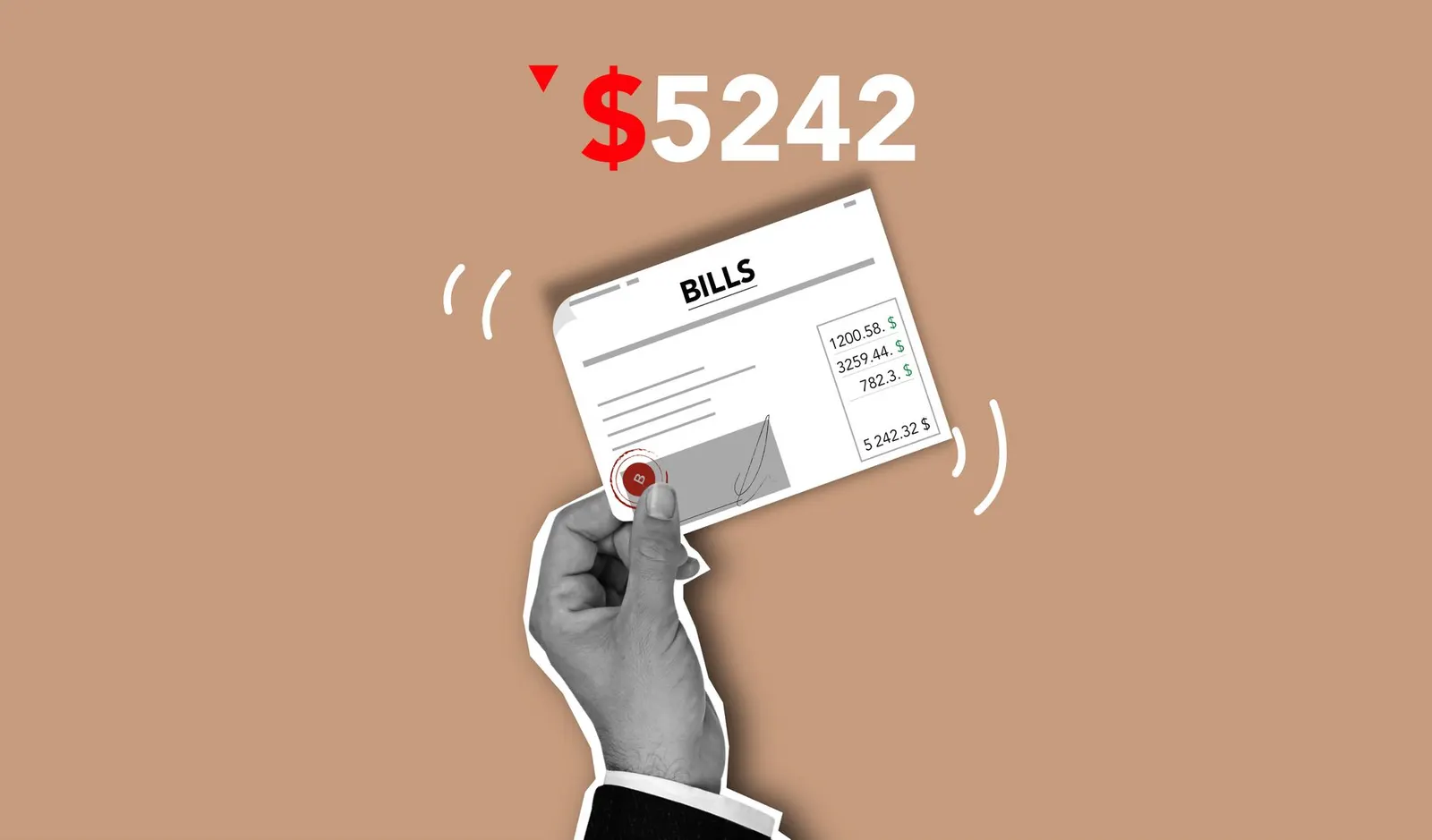
Beyond initial development, plan for hosting, monthly maintenance (€30 to €80 excl. VAT per month), premium plugin licenses (€200 to €400 excl. VAT per year), and content writing if you don’t provide it yourself (€80 to €200 excl. VAT per page).
Why does the annual budget always exceed the initial quote?
These recurring costs are what an entrepreneur most often underestimates, because they don’t appear on the initial creation quote. Yet over three years, they often represent as much as the initial development. A striking figure emerges from available facts: maintenance alone, spread over a year, can represent up to €960 (€80 x 12 months), almost a third of the entry price of a standard site at €2,990. This is why the total annual budget always exceeds the upfront price displayed.
What recurring expense items should you anticipate?
- Hosting and maintenance: security updates, backups, SSL certificate, performance monitoring.
- Plugin licenses: a premium design plugin (like Elementor Pro) or a premium SEO tool (Yoast or RankMath Premium) is paid annually, not once.
- Product description writing: a catalog of 200 products with unique descriptions, not copy-pasted from the supplier, represents a writing budget far from negligible.
- SEO optimization: an e-commerce site invisible on Google sells nothing, regardless of its construction price.
Which negotiation mistake costs the most in the long run?
The mistake that costs the most: negotiating the creation price down by sacrificing training or forgoing technical SEO from the start. The site comes out cheaper on the quote, but you then have to pay for an SEO overhaul six months later, on top of the lost sales revenue during that empty period.
How to optimize your budget to create a profitable e-commerce site?
Prioritize functions that generate sales from launch (catalog, payment, inventory), postpone non-critical ERP connections to a phase 2, and choose a provider who works in agile methodology to deliver a functional core before adding specific developments.
The thing is, many entrepreneurs want to develop everything at once: site, ERP, automated invoicing, multi-warehouse. The result: the project drags on, the budget explodes, and the site isn’t online for several months. A more realistic approach is to launch a solid core, then evolve the integrations once the sales volume justifies the additional investment.
- Precisely define the need before requesting a quote (number of products, number of warehouses, invoicing tool already in use).
- Launch a functional WooCommerce core with simple inventory management first.
- Add the ERP or invoicing tool connection once traffic and sales are stabilized.
- Plan an annual budget line dedicated to maintenance and updates.
- Invest in SEO from the moment the site goes live, not after.
- Train the sales team on back-office usage to avoid after-sales support costs.
An agency that works in agile methodology breaks the project into deliverable batches: catalog and payment first, ERP synchronization next. This reduces the risk of unpleasant budget surprises and allows you to start selling while more advanced developments are being completed.

Based on your situation, what budget should you plan?
A plumber selling spare parts online for the first time
This profile has a limited catalog (fewer than 100 SKUs), a single storage location, no existing ERP. The priority: a simple site, quick to launch, with basic inventory management. A standard WooCommerce between €2,990 and €4,000 is more than enough. There’s no point paying for ERP integration while the order volume remains low, that would be a poorly placed budget for this stage of the project.
A multi-store clothing boutique centralizing its sales
Here, inventory must synchronize between multiple physical points of sale and the website, in real time, to avoid overselling. This profile needs custom inventory synchronization development, with a budget to plan between €6,000 and €12,000 depending on the number of connected points of sale. The design cost becomes secondary compared to the integration cost.
A B2B trading SME already invoicing via accounting software
This company has had an ERP or invoicing tool in place for years, with customer-specific pricing rules (discounts, deferred payment terms). The absolute priority is reliable API integration between the site and the existing tool, not the design. The budget focuses on custom development of the invoicing gateway, often €4,000 to €8,000 for this brick alone.
Working on a project like this? See our dedicated page: web agency for small businesses and.
FAQ on ecommerce website cost and inventory management
How much does it cost to build an ecommerce website with inventory management?
The cost to build an ecommerce website with inventory management starts at €2,990 excl. VAT for a functional WooCommerce base and can exceed €10,000 depending on the features requested, particularly ERP integration and multi-warehouse synchronization.
What are the hidden costs of ecommerce inventory management?
The hidden costs of ecommerce inventory management include monthly maintenance (€30 to €80 excl. VAT), annual premium plugin licenses (€200 to €400 excl. VAT), content writing for product pages, and the technical debt that accumulates when security updates are neglected, potentially costing more than the initial development over three years.
Which ecommerce platform offers the best value for inventory features?
WooCommerce offers the best value for inventory features when you need deep customization and ERP integration, while Shopify provides a more streamlined approach with lower upfront complexity. The ecommerce platform pricing comparison depends on whether you prioritize flexibility (WooCommerce) or ease of use (Shopify), but WooCommerce generally wins for businesses needing custom inventory management for ecommerce.
How do inventory management systems impact ecommerce website cost?
Inventory management systems impact ecommerce website cost significantly: basic stock tracking adds minimal expense, but real-time multi-warehouse synchronization with an ERP can add €2,000 to €8,000 to the development budget. The difference between basic and advanced inventory management in ecommerce pricing is essentially the cost of custom API development versus standard plugin configuration.
The ecommerce website cost with inventory management and invoicing never boils down to a single line on a quote: it’s a stack of choices, from catalog to ERP integration, that determines the final budget. A well-scoped project from the start, with a provider who clearly distinguishes design, plugins, and custom development, avoids the cost overruns that kill profitability. If you’re preparing your move from physical to digital, the simplest approach is to get your project quoted after a precise scoping of your real inventory and invoicing needs.