



SEO tools for small business are software platforms (Google Search Console, Google Analytics, Ubersuggest, Screaming Frog, SEMrush, and others) that measure and improve a website’s visibility on Google. For most small businesses, the core needs — technical audits, keyword tracking, traffic analysis — can be covered with free tools or solutions costing under $100 a month.
One out of every two small businesses pays for an SEO tool it never actually learns to use properly. The problem is almost never which software you pick — it’s the lack of a method for using it week after week. This article doesn’t just list tool names: it shows how a company with 5 to 50 employees actually works these tools into its routine, month after month, turning raw numbers into signed quotes. The goal is simple: results you can measure, not a pile of subscriptions gathering dust in a browser tab.
- More than 70% of small businesses underestimate the impact of organic search on their revenue, according to an Ipsos study for Fevad conducted in 2026.
- The best tools to get started with are free: Google Search Console and Google Analytics already cover 80% of what a one-page website needs.
- A successful setup comes down to three things: clear business goals, a fixed analysis routine, and an SEO budget sized to the company’s actual scale.
- Five mistakes account for most wasted SEO budgets: overly generic keywords, content that’s never updated, neglected technical SEO, mass-bought backlinks, and no local tracking.
- An initial SEO audit — even one done for free in an afternoon — typically uncovers 15 to 30 technical friction points you can act on right away.
SEO Tools for Small Business: Why They’re Essential
A small business doesn’t have the budget or the time of a large corporation to run SEO — it needs tools that prioritize three to five high-impact actions rather than dashboards packed with 40 metrics. Without that filter, SEO data just becomes background noise that gets ignored within three weeks.
A suite built for an agency managing 50 client accounts will show search volumes by country, five years of backlink history, and multi-market competitor comparisons. Useful for a consultant. Useless — even paralyzing — for a small business owner who’s running their own site between client meetings. What you actually need is a clear signal: these three pages are losing traffic, this local page stopped ranking, that competitor just overtook you on a profitable keyword.
Local SEO carries particular weight here. A small business with a physical location or a service area (tradespeople, practices, local shops) captures up to 46% of its Google searches through geo-targeted queries, according to Google My Business Insights data consolidated in 2026. A generic SEO tool that doesn’t track your local business listing misses the bulk of your qualified traffic.
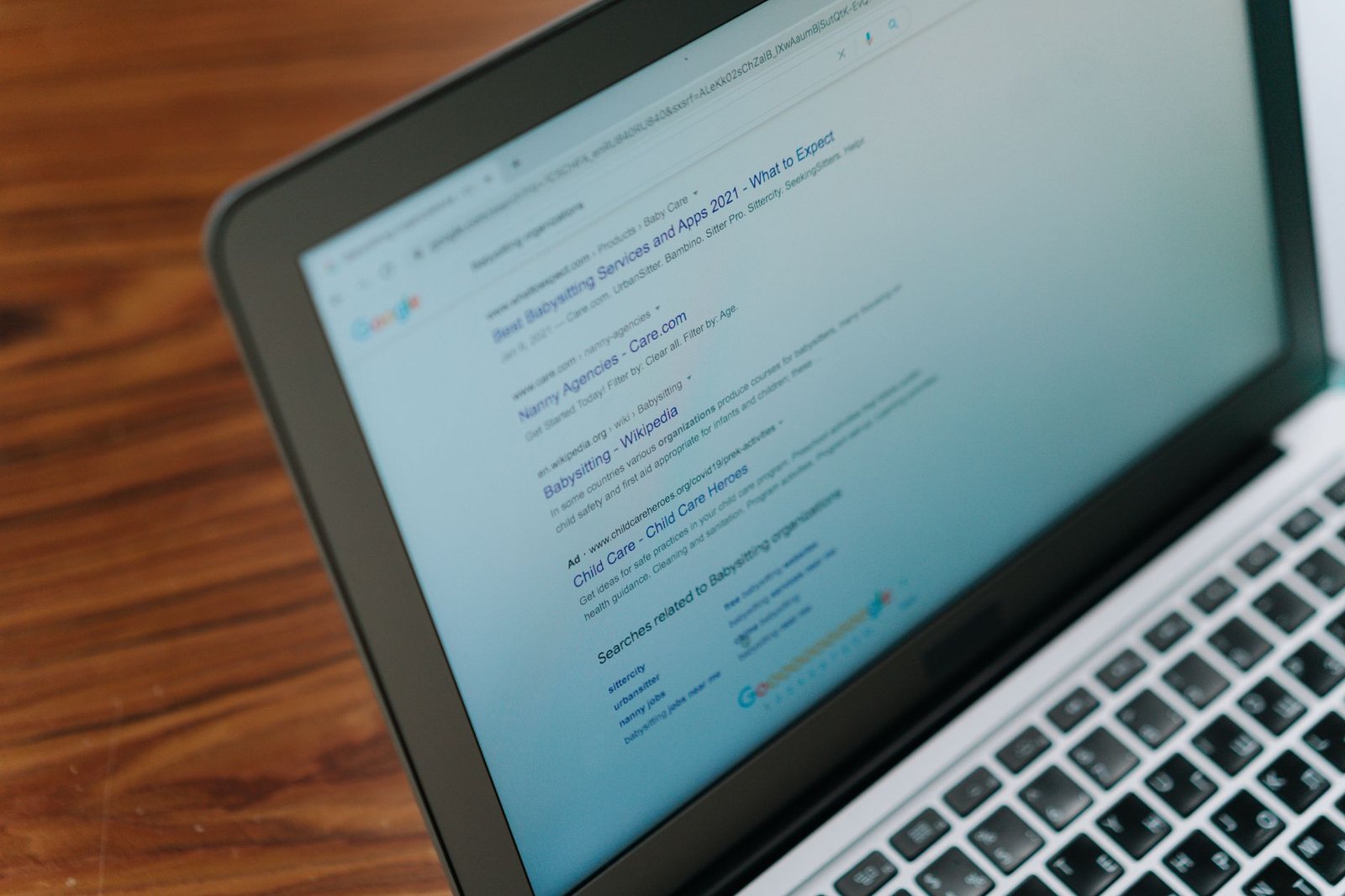
What Are the Best Free SEO Tools for a Small Business?
Three free tools cover the essentials — making them some of the best SEO tools for small businesses just getting started: Google Search Console for technical diagnostics and click-driving keywords, Google Analytics for understanding visitor behavior, and an on-page checker extension like Yoast or SEO Meta in 1 Click to review tags page by page.
Small Business SEO Toolkit Essentials: Starting with a Free Audit
A free small business SEO audit doesn’t require any paid software. It comes down to four steps: check page indexing in Search Console, test load speed with PageSpeed Insights, list missing titles and meta descriptions, and flag pages that haven’t ranked for any keyword in six months. In one afternoon, this diagnostic is enough to prioritize your next three projects.
Free SEO Tools for Small Business, Compared by Use Case
The table below compares the six free tools most used by small businesses in 2026, organized by primary use. Google Search Console remains the essential technical foundation, used by 89% of the sites tracked by the French SEO Observatory, well ahead of free keyword research tools.
| Tool | Primary use | Free plan limit |
|---|---|---|
| Google Search Console | Indexing, keywords | No limit |
| Google Analytics | Traffic, behavior | No limit |
| Ubersuggest | Search volume | 3 queries/day |
| AnswerThePublic | Content ideas | 3 searches/day |
| PageSpeed Insights | Technical speed | No limit |
| Screaming Frog (free version) | Technical crawl | 500 URLs max |
In practice, a small business with no tool budget can cover its technical audit, traffic tracking, and initial keyword research without spending a dime. The limit shows up once you need to track daily rankings or analyze a competitor’s backlinks — that’s where free tools hit their ceiling.
How to Choose SEO Tools for Small Business Based on Your Budget
The right choice comes down to three criteria — and the features that match them: annual revenue, the team’s digital maturity, and the time available for SEO work. A very small business with no in-house resources should pick one simple tool (SEMrush’s entry plan or Ubersuggest Pro) rather than a full suite it will only use at 20% capacity.
Here’s the matrix we use to quickly identify affordable SEO tools for small business budgets, sorted by revenue tier:
- Revenue under $500,000 and one person handling marketing: stick with free tools, plus maybe a $30/month rank-tracking subscription.
- Revenue between $500,000 and $3 million, monthly SEO budget of $500 to $1,500: a mid-tier tool (SEMrush, Mangools) paired with a monthly review.
- Revenue above $3 million, or heavy reliance on organic traffic: a full suite (Ahrefs, SEMrush Guru) with weekly tracking and in-depth competitive analysis.
Small Business SEO Agency vs. Software: Which Is Right for You?
Many owners are looking for a clear-cut opinion on SEO agencies for small businesses before making a decision. The reality: an agency makes sense when SEO needs to deliver results within 6 months and nobody in-house has time to learn the tools. Below $2,000 in monthly SEO budget, it’s often better to train someone internally on a mid-tier tool — the return on investment tends to arrive faster than with an agency retainer.
Paid SEO doesn’t buy you a better ranking. It buys you time: fewer hours spent manually researching keywords, more hours spent producing content that actually answers your customers’ questions.
The Average Small Business SEO Budget Rises from €1,200 to €4,500 a Month as Headcount Grows from 5 to 50 Employees
A French small business’s monthly SEO budget varies widely by size: a 5-employee company invests an average of €1,200 a month, versus €4,500 for a 50-employee business, according to a survey consolidated across French agencies in 2026.
It’s not company size that should dictate buying an expensive tool, but the volume of content and pages you need to track. A 10-employee business with a 20-page site doesn’t need the same budget as a 10-employee business with 400 product listings.
| Category | Value (€/month) |
|---|---|
| 5 employees | €1,200/month |
| 15 employees | €2,100/month |
| 30 employees | €3,200/month |
| 50 employees | €4,500/month |
How to Integrate SEO Tools for Small Business Growth into Your Digital Strategy
Successful integration follows a progressive 12-week calendar: audit and goal-setting in the first month, content production and technical fixes in the second, measurement and adjustment in the third. Skip this sequencing and most small businesses abandon their tools within six weeks. Get it right, though, and you unlock the top SEO tools for small business growth you already own, instead of buying new ones you’ll never fully use.
The 3-Month SEO Integration Calendar
- Run a full SEO audit with Search Console and a free crawler
- Set three SMART goals tied to revenue, not just traffic
- Fix critical technical issues (indexing, speed, mobile)
- Produce two to four optimized pieces of content around priority keywords
- Optimize existing pages first, focusing on ones already close to the top 10
- Launch a targeted local backlink campaign (directories, partners, local press)
- Measure SEO performance every month by cross-referencing Analytics and Search Console
- Adjust your content strategy based on which queries actually drive conversions
How to Do Your Own SEO as a Small Business Without a Dedicated Expert
The question comes up constantly: how do you handle SEO as a small business when nobody on the team has formal training? The answer is really about time, not skill: block off two fixed hours a week, always the same day, dedicated solely to reading the data and fixing one technical issue. The easiest to use SEO tools for small business teams don’t demand deep expertise — it’s that weekly consistency, not advanced know-how, that makes the difference after six months.
SEO Mistakes Small Businesses Should Avoid
The SEO mistakes small businesses should avoid almost always boil down to the same five points, and they cost a lot of wasted time.
- Targeting overly competitive keywords before building a solid content foundation.
- Publishing content once and never updating it for two years.
- Buying backlinks in bulk from directories unrelated to your actual business.
- Ignoring basic on-page optimization: duplicate titles, images with no alt text.
- Neglecting local SEO when most customers come from within a 20km radius.
During a technical audit, you almost always find the same telltale signs in the source code: a style tag stacking rules with !important to force a rendering that should really live in a clean CSS file, an image still carrying its export filename like image-1-41702.jpg instead of descriptive alt text, or a font size hardcoded at 34px that breaks readability on mobile. You’ll also run into a class named cp-target that means nothing to Google or a human, or an indexing directive left as true on a test page that was never cleaned up. Add them all together, and these details drag down overall SEO performance far more than most owners realize.

A Beginner’s Guide to SEO Tools for Small Business Owners
This beginner’s guide to SEO software for small business owners comes down to five steps: create a Search Console account, connect Analytics, list 20 keywords tied to your business and location, fix the three most visible technical errors, then publish one piece of content a week for a month to test the routine.
Improving a small business site’s SEO doesn’t require doing everything at once. Sequence matters more than the list of actions: without clean indexing, even great content stays invisible; without the right keywords, a well-written page won’t find anyone.
- Check that every important page is indexed in Search Console.
- Create or update your Google Business Profile with hours and service area.
- Write a dedicated page for each service or location you cover.
- Track organic traffic month over month, not day by day.
- Ask two or three local partners or suppliers for backlinks.
Once that foundation is in place, the natural next step is deeper competitive analysis: look at what your three best-ranking local competitors are publishing, and identify which keywords they’re capturing that you aren’t.
Based on Your Situation
An 8-Employee Plumbing Business Covering a 30km Service Area
For this profile, local SEO dominates everything else: 80% of useful traffic comes from geo-targeted searches like “plumber + city.” What matters: the Google Business Profile, customer reviews, and one page per town served rather than a single “services” page. Recommendation: zero paid tool budget to start — everything rides on Search Console and the local listing, with a target of 15 Google reviews within three months.
A Fast-Growing 25-Employee B2B SaaS Startup
Here, local SEO doesn’t apply at all — the market is national or global. What matters: content strategy (in-depth articles, comparisons), backlinks from industry media, and ongoing competitive analysis against players publishing weekly. Recommendation: a mid-tier tool like SEMrush once you hit $2,000 in monthly SEO budget, with a content writer dedicated to SEO at least 15 hours a week.
A 15-Employee E-commerce Business with 500 Product Listings
Page volume changes everything here. What matters: regular technical crawls to catch broken or duplicate pages, on-page optimization at scale (automated titles and meta descriptions), and load speed, which becomes critical past 3 seconds according to 2026 Google Core Web Vitals data. Recommendation: invest in a full crawling tool (paid Screaming Frog or equivalent) once your catalog exceeds 200 pages — the point at which manual tracking becomes unworkable.

Working on a project like this? See our dedicated page: book a free call.
Frequently Asked Questions About SEO Tools for Small Business
Do Small Businesses Really Need SEO Tools — and Do They Need to Be Paid?
No. Google Search Console and Google Analytics, both free, cover most of what a small business needs when starting out. A paid tool only becomes worthwhile once you need to track dozens of keywords daily or dig deep into direct competitors’ backlinks.
How Much Time Should You Spend on SEO Each Week With These Tools?
Two to four hours a week is enough for a business with fewer than 20 employees: one hour reading data, one hour fixing a technical issue, and the rest producing or updating content. Consistency matters more than the total number of hours.
Can SEO Tools Replace an SEO Agency for a Small Business?
They can replace an agency for execution tasks (audits, tracking, technical fixes), but rarely for fine-grained strategy in a highly competitive market. A small business with no available in-house time often benefits from combining a tool for day-to-day tracking with occasional guidance for strategic decisions.
How Much Do SEO Tools for Small Businesses Cost, and How Do I Measure Their ROI?
Costs range from free (Search Console, Analytics) up to a few hundred dollars a month for mid-tier or full suites, depending on your size and needs, as outlined in the budget breakdown above. To measure ROI, cross-reference three data points in Analytics and Search Console: organic traffic generated by the pages you’ve worked on, that traffic’s conversion rate, and the tool’s cost relative to the additional revenue it generates. A positive ROI typically shows up between 4 and 9 months in, depending on how established the site already is.
The right move isn’t to collect SEO tools for small business use, but to pick one or two, and use them every week for six months before judging whether they’re working. Start with the free audit described above this week: it’s the cheapest, highest-return step for figuring out exactly where to focus your effort.
Frequently Asked Questions
Do you absolutely have to pay to get good SEO tools as a small business?
No, the best tools to get started with are free. Google Search Console and Google Analytics cover 80% of what a one-page website needs. A small business with no budget can cover its technical audit, traffic tracking, and initial keyword research without spending a dime.
How much time should you spend on SEO each week with these tools?
The article doesn’t specify an exact weekly time commitment. It emphasizes the importance of a “fixed analysis routine” and using tools “every week” to turn numbers into real results, rather than letting them sit unused.
Can SEO tools replace an SEO agency for a small business?
The article doesn’t answer this question directly. It notes that a small business needs tools that prioritize 3 to 5 high-impact actions, and that a full suite can be “useless — even paralyzing” for a small business owner.
How do I measure the ROI of SEO tools for my small business?
ROI is measured through “results you can measure,” like “signed quotes.” A successful setup relies on “clear business goals” and a “calibrated SEO budget,” turning raw numbers into business impact.
Related Reading
- Comment choisir les bons mots-clés SEO pour votre entreprise
- Au-delà des mots-clés : comment les ia conversationnelles redéfinissent le seo