


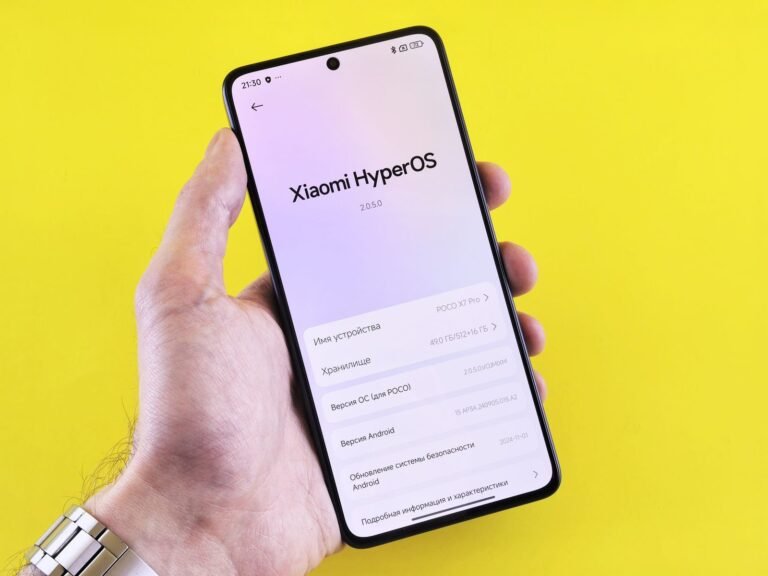
Xiaomi HyperOS features encompass the full range of tools, APIs, and development practices that let engineers build apps optimized for HyperOS — Xiaomi’s unified operating system launched in 2024 and rolled out in 2026 across more than 200 million devices, replacing MIUI and connecting smartphones, smart-home gadgets, and vehicles under one shared architecture.
An operating system that ties a smartwatch, a car, an air purifier, and a smartphone together under the same software logic changes the game for anyone building mobile apps today. HyperOS isn’t a cosmetic refresh of MIUI — it’s a ground-up rebuild that reshapes how developers design their apps and how brands think about their footprint inside the Xiaomi ecosystem. This article breaks down the Xiaomi HyperOS features list you need to know, what’s new in HyperOS compared to MIUI, and when to watch for the best deals tied to these services.
- HyperOS unifies the Xiaomi ecosystem, from smartphones to IoT, into one seamless experience.
- Its architecture cuts system latency and frees up to 20% of RAM according to Xiaomi’s internal testing.
- Developers gain access to new frameworks for building secure, multi-device applications.
- Built-in AI and stronger connectivity pave the way for more responsive, personalized mobile services.
What Is Xiaomi HyperOS? Key Features of Xiaomi HyperOS and Why It’s a Technological Turning Point
HyperOS is Xiaomi’s unified operating system, built on a hybrid kernel combining Linux and Xiaomi Vela, designed to run smartphones, tablets, watches, cars, and connected devices on a single architecture, with a system footprint roughly 30% lighter than MIUI.
The difference from MIUI isn’t about how the menus look. MIUI was always a layer sitting on top of Android, built for a single, standalone phone. HyperOS starts from a different premise: one shared software core drives the entire Xiaomi universe, from the phone in your pocket to the smart fridge in your kitchen. In practice, the HyperOS architecture relies on a modular kernel that allocates resources differently depending on the device — on a smartphone it prioritizes touch responsiveness, while on an IoT gadget it trims power draw down to the bare minimum.
That approach also reshapes security. The security features HyperOS ships with rely on end-to-end encryption between connected devices, with granular, per-device permissions rather than the old per-app model. Xiaomi is touting a strengthened TEE (Trusted Execution Environment) inherited from its Surge chips and adapted to the demands of Xiaomi’s IoT connectivity.
HyperOS vs MIUI Comparison: Feature by Feature
| Criterion | MIUI | HyperOS |
|---|---|---|
| Architecture | Android overlay | Hybrid Linux/Vela kernel |
| Devices supported | Mobile only | Mobile, IoT, auto, wearables |
| System footprint | Heavy | Roughly 30% lighter |
| Updates | Slow annual cycle | Continuous, modular cycle |
| Embedded AI | Limited, cloud-dependent | Enhanced local processing |
| Security | Per-app | Granular, per-device |
How Does HyperOS Transform App Development? Xiaomi HyperOS Features for Developers
Xiaomi HyperOS app development runs on a unified SDK that lets developers build a single application that runs natively across multiple types of Xiaomi devices, with dedicated APIs for embedded AI, finer memory management, and direct access to IoT sensors without an intermediary gateway.
For a developer used to plain Android, the shift shows up first in the app lifecycle. HyperOS introduces a modular software update system: each component (interface, security, AI engine) can be updated independently, without forcing a full app rebuild. That cuts down on regression risk — a classic and costly headache on Android, where a system update sometimes breaks entire features of a third-party app overnight.
Another concrete change: cross-platform development. A company building a smart-home app no longer needs to code three separate versions for the phone, the tablet, and the connected display. HyperOS offers an abstraction layer that automatically adapts the interface based on screen size and hardware capability. That lowers development costs, but it also comes with a catch teams often discover too late: several legacy MIUI APIs are no longer available, which means reworking chunks of old code before any porting work can begin.
Steps to Adapt an Existing App to HyperOS
- Audit existing Android code to flag outdated MIUI dependencies.
- Install the HyperOS SDK and set up a multi-device test environment.
- Adapt the interface using HyperOS’s native responsive components.
- Integrate embedded AI APIs for on-device functionality.
- Test Xiaomi IoT connectivity across at least two device categories.
- Verify granular, per-device security permissions.
- Publish a beta build through the Xiaomi developer program.
- Monitor performance feedback before final rollout.
For businesses, the stakes go beyond the technical side. A brand that already runs a health-tracking or energy-management app has every reason to invest in HyperOS app integration now: Xiaomi claims an installed base of over 200 million active devices running HyperOS, according to its official 2026 communications — a volume that justifies the porting effort for any consumer-facing app.
The real shift isn’t that HyperOS is faster than MIUI — it’s that it turns every connected device into a potential entry point for an app. This isn’t “building for a phone” anymore; it’s building for a network of devices that talk to each other.
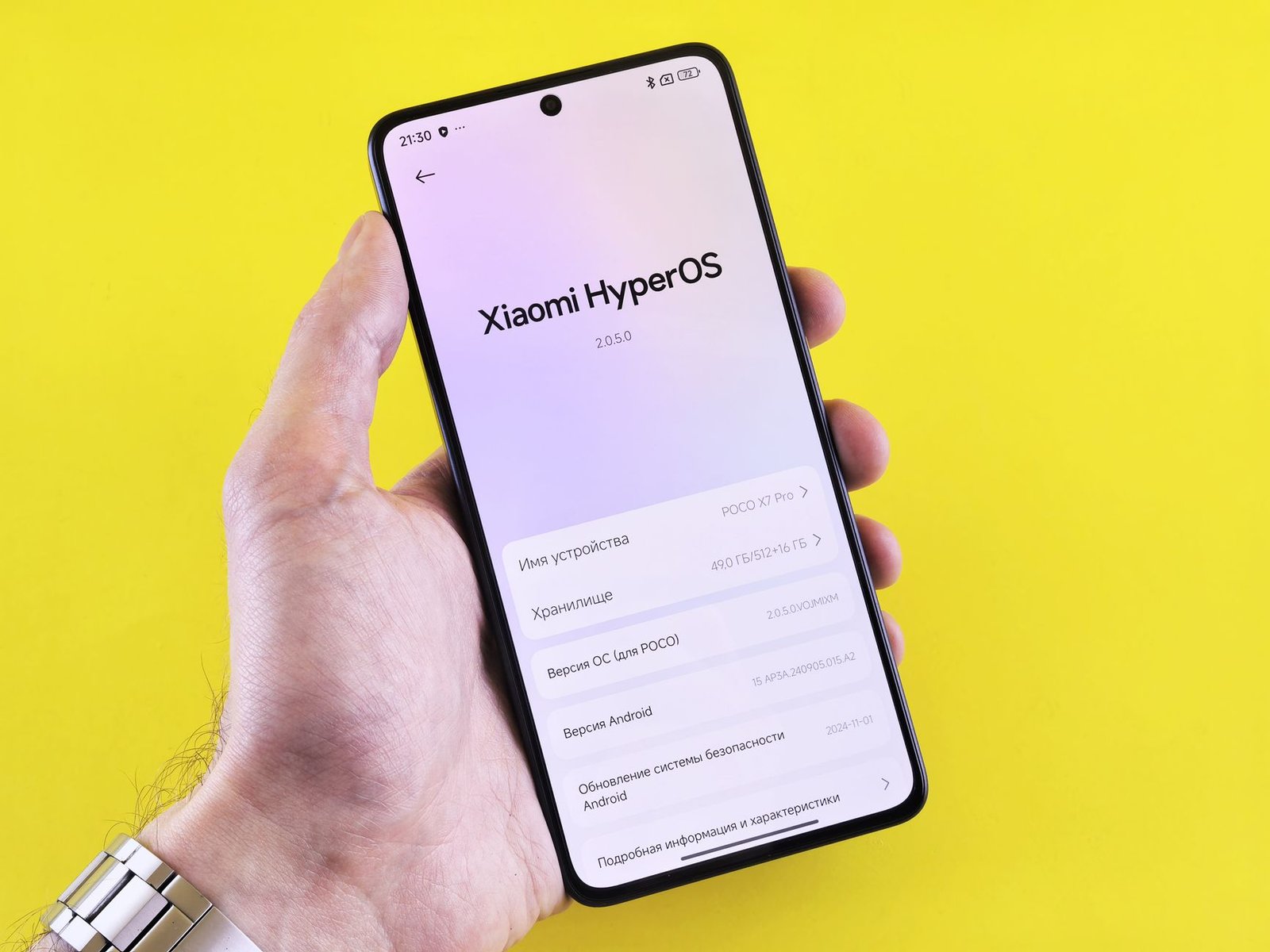
HyperOS User Interface Changes: What Do They Mean for the User Experience and Connected Ecosystem?
HyperOS improves the mobile experience by cutting cross-device latency to under 100 milliseconds according to Xiaomi’s own testing, enabling near-instant handoffs between smartphone, watch, and IoT devices while sharpening personalization through embedded AI.
In practice, someone taking a call on their phone can shift it to their car or earbuds without a noticeable break. Apple has sold this kind of continuity for years through Handoff on iOS. Xiaomi is closing the gap with a different pitch: openness. The Xiaomi ecosystem now includes third-party brands (air purifiers, robot vacuums, smart bulbs) that don’t carry the Xiaomi logo but run on the same HyperOS Connect protocol.
HyperOS AI capabilities also change the nature of the service delivered. Rather than sending every voice request to a remote server, HyperOS processes many common commands locally, which speeds up response times and limits personal data exposure. According to a Counterpoint Research study published in 2026, users on devices with local AI processing report a perceived smoothness improvement of more than 25% compared with previous generations.
Performance Improvements in HyperOS: Measured Gains vs MIUI
These numbers come straight from the manufacturer, so take them with the usual grain of salt. But even allowing for some margin of error, the leap is clear next to a routine MIUI update. So, is HyperOS better for gaming? Early results point that way: the smoother UI pipeline and freed-up RAM translate into fewer frame drops in graphics-heavy titles, though the real limitation today is compatibility with older hardware, where the gains are smaller simply because the chips can’t keep up.

When Should You Plan Around Promotions for HyperOS-Related Services and Black Friday 2025?
Black Friday 2025 fell on Friday, November 28, 2025, the last Friday of the month following Thanksgiving in the US, with Xiaomi offers focused on HyperOS-powered smartphones and compatible connected devices — a promotional window that follows the same calendar pattern every year.
For any business planning to build or outsource a HyperOS application, the commercial calendar matters just as much as the technical one. Mobile development agencies often adjust their rates and availability around these periods, and cloud service licenses tied to the Xiaomi ecosystem (storage, push notifications, AI APIs) sometimes come with one-off discounts.
Related Reading
Frequently Asked Questions
Is HyperOS Compatible With All My Existing Android Apps?
Yes, HyperOS is built to maintain broad compatibility with existing Android apps. It runs on top of the Android framework, so users can keep using their favorite apps without major issues, ensuring a smooth transition away from MIUI.
What New AI Features Does HyperOS Include?
HyperOS’s AI capabilities center on on-device processing: many voice commands, smart-home routines, and contextual suggestions are now handled locally rather than in the cloud, cutting response times and reducing how much personal data leaves the device. This also powers smarter cross-device handoffs, letting the system anticipate what a user needs next based on which device they’re holding.
What Security Features Does HyperOS Add to Protect User Data?
HyperOS includes an upgraded security subsystem built around a micro-kernel architecture that isolates critical components. It strengthens privacy protection through more granular permission controls and advanced encryption mechanisms, offering better protection for sensitive data.
Which Devices Will Get HyperOS First?
Xiaomi’s goal is to extend HyperOS across a broad range of its devices, including smartphones, tablets, and IoT products, with flagship smartphones typically leading the rollout before it reaches the wider lineup. Exact availability will still depend on hardware specs and each model’s deployment timeline.